

Opera as Obsession
Revisiting Terrence McNally's script for "The Lisbon Traviata"

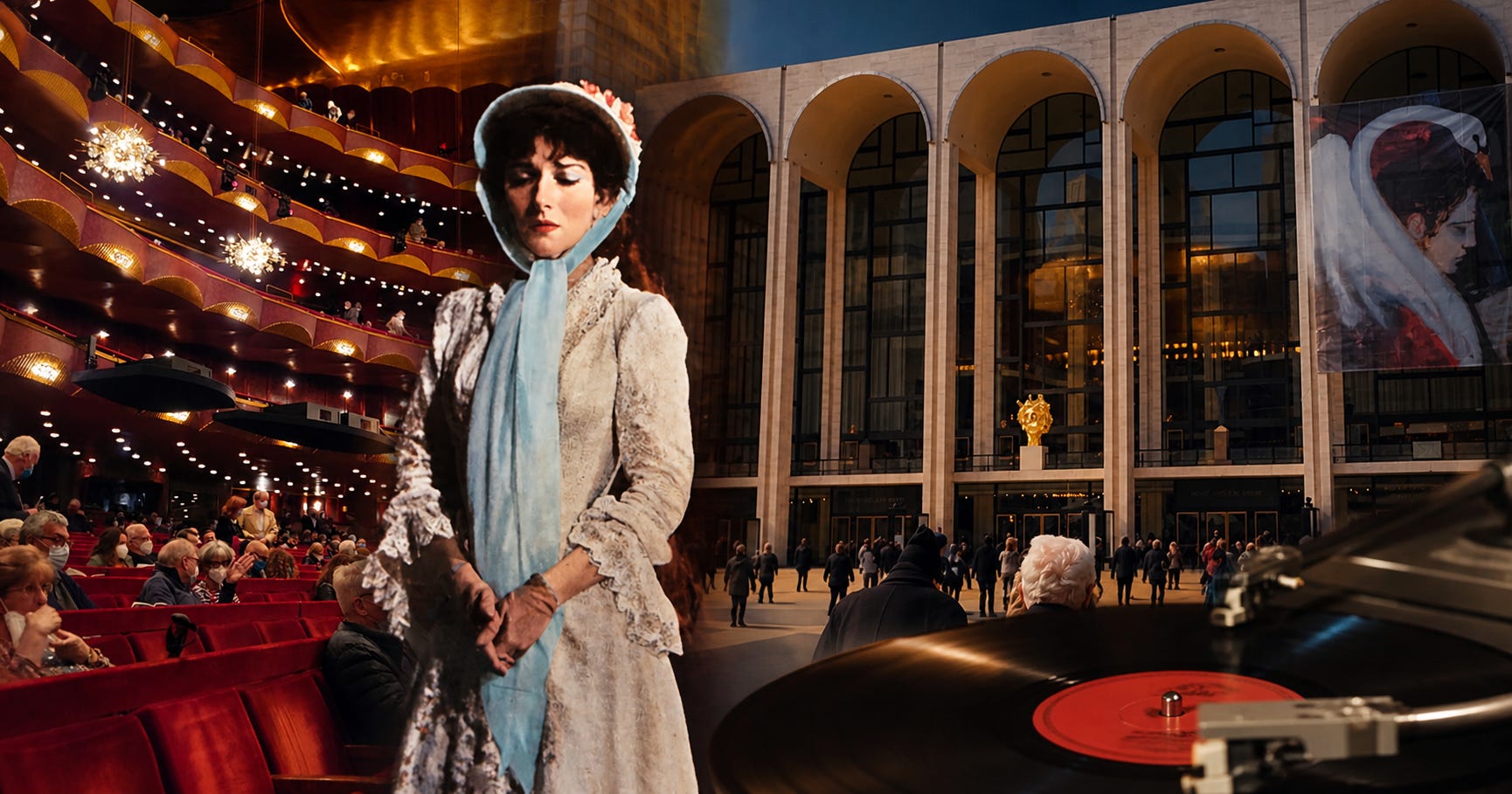
“Opera is a disease,” Metropolitan Opera general manager Rudolf Bing (from 1950-72) once said. “Those who have it don’t want to be cured, and those who don’t have it can’t understand why the others want to be ill.” The Lisbon Traviata documents the symptoms endured by the opera afflicted and the caregiver burden shouldered by their loved ones. It is the only play in Terrence McNally’s informally titled “Night at the Opera Trilogy” told from the perspective of opera fans rather than opera professionals. Yet it is a more satisfying panegyric to soprano Maria Callas than the biographical Master Class and a more visceral depiction of the art form’s appeal than the behind-the-scenes history Golden Age. It begins as a riotously funny sendup of 1980s opera vinyl collectors and evolves into a devastating exploration of the fine line between life’s vital passions and its destructive obsessions.
Act One is a verbally rambunctious farce in the tradition of Oscar Wilde’s The Importance of Being Earnest or Philip Barry’s The Philadelphia Story. It introduces gay opera enthusiasts Stephen and Mendy, the kind of besties who are simultaneously entertained and exasperated by each other’s company. In their quest for a mutually satisfactory LP to listen to, the duo riff on virtually every opera in the canon, weighing in vehemently even on obscure compositions like Cherubini’s Medea (“boring music” whether sung by Callas or Ethel Merman) and Pelleas et Melisande (“Debussy has balls. He just doesn’t wear them on his sleeve”). They also namedrop most of the divas who graced the Metropolitan Opera stage from Bing’s era to the mid-80s. Joan Sutherland has legato but “always sings behind the beat.” Marilyn Horne “sings like a truck driver.” The nonstop banter ripples with opera in-jokes, but its Aaron Sorkin-esque musicality is entertaining even for non-cognoscenti.
Act Two is nowhere near as much fun, but it broadens the discussion of obsession in devastating fashion. McNally draws connections between unhealthy fanboy passion and unhealthy romantic passion by shifting the narrative to Stephen’s relationship with his former lover and current roommate Mike. Their clingy and deteriorating romance is as unfulfilling as Stephen’s one-sided devotion to Callas. Moreover, the artistic obsession is actually a cause of love’s demise. In the first half, we laugh at Mendy for being so obsessed with Callas that she is named in his divorce papers. In the second half, a similar revelation about Stephen -- his preference for Callas cassettes over supportive pillow talk catalyzed his breakup with Mike -- is anything but funny. Mendy later leaves petty answering machine messages about his need to listen to the titular “Lisbon Traviata,” an iconic live recording of Callas as Verdi’s Violetta, just as Mike prepares to walk out on Stephen. The juxtaposition between trivial preoccupation and genuine anguish provides a resounding dénouement.
McNally is hardly the only writer to meditate on the dark side of fandom. Other treatments of this theme include Rajiv Joseph’s basketball-themed play King James, Nick Hornby’s portrait of a record store owner who puts away childish things, High Fidelity, and Junot Diaz’s novel about alienating nerdom, The Brief Wondrous Life of Oscar Wao. The idea that shared artistic interests are crucial to compatibility (Stephen says “it gets pretty hard coming home night after night to a man who doesn’t like Idomeneo”) is also well-represented in literature. Ian McEwan movingly expresses that thought in a novel I recently finished, What We Can Know. “I had made a sacrifice in marrying a man who had no taste for reading,” reports its narrator. “I had a partner and a playmate, but I also wanted a thought-mate.”
Still, McNally’s work stands out because its cautionary tale about the opera disease also acknowledges the legitimate emotional nourishment art can provide. Callas’s talent for spur-of-the-moment interpretation of aging masterpieces made her an authentic companion for millions. “Maria never sang ‘just another Traviata’ in her life,” effuses Mendy. “The whole point of Maria is that she never sang ‘just another’ anything. It’s what killed her.” Callas’s tragic death had special significance for a generation of gays living in the isolating shadow of AIDS, particularly given opera’s historic appeal to queer men. “What’s so obvious about two men going to Parsifal together?” asks Stephen. “Face it,” replies Mendy. “Ice hockey at the Garden it’s not.” This blend of wit and poignancy secures The Lisbon Traviata a place not only as the best in McNally’s opera trilogy but also my personal favorite within his extensive catalog.